Curonian Spit National Park
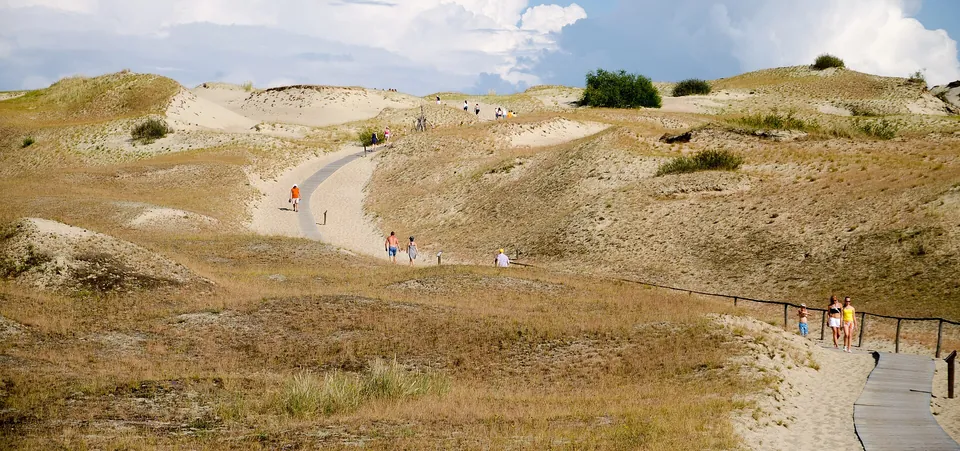
The Curonian Spit is a narrow ribbon of sand between the sea and the lagoon, protected as a national park and inscribed on the UNESCO World Heritage List. Dunes, pine woods and bird colonies line the way, and the eye is always drawn to the horizon of dune and sea.
Updated
What to see
Nagliai Nature Reserve
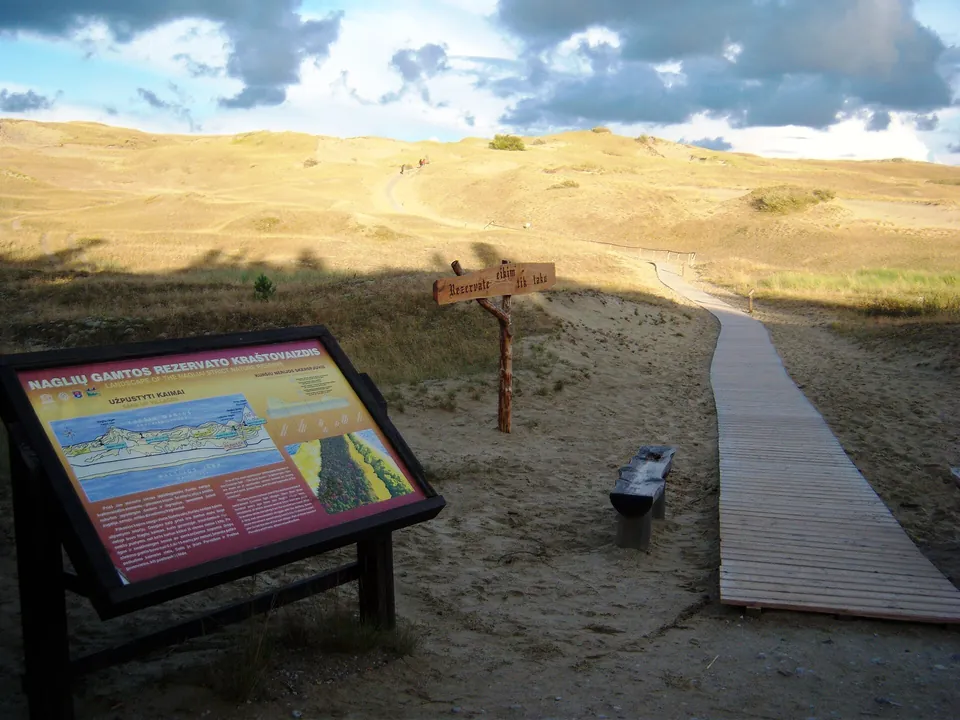
The reserve keeps dunes and forest preserved as one of the spit’s finest landscapes. A marked nature trail winds through it with panoramic views over the dunes. Keep to the waymarks, as sensitive vegetation is protected here.
Naglių gamtinis rezervatas, Neringa
Photo: Vilensija · CC BY-SA 3.0
Open in Google Maps, Nagliai Nature Reserve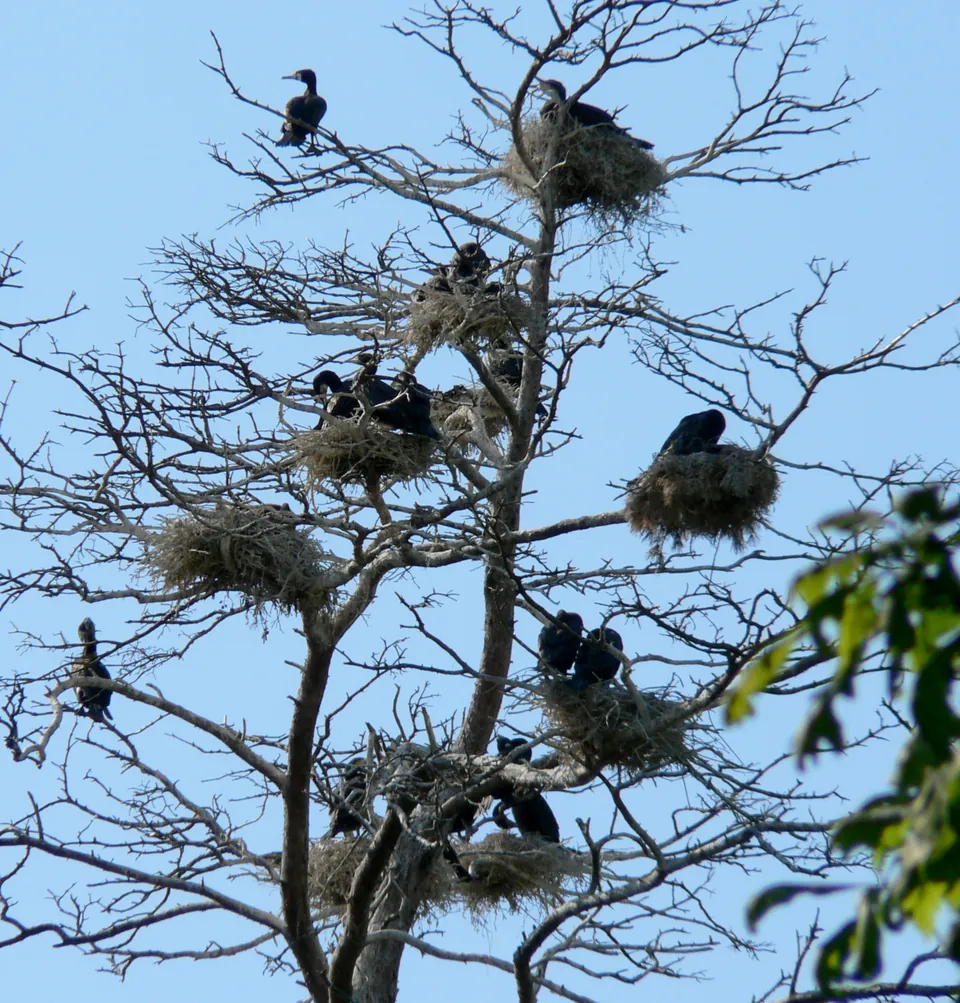
Heron and cormorant colony
In the woods around Juodkrantė, grey herons and great cormorants build their nests. The colony is one of the spit’s most striking birdwatching sights, but visitors must follow the rules set to keep the birds undisturbed. Ask at the park’s visitor centre for the exact viewing place.
Juodkrantė, Neringa
Photo: Wojsyl · CC BY-SA 3.0
Open in Google Maps, Heron and cormorant colony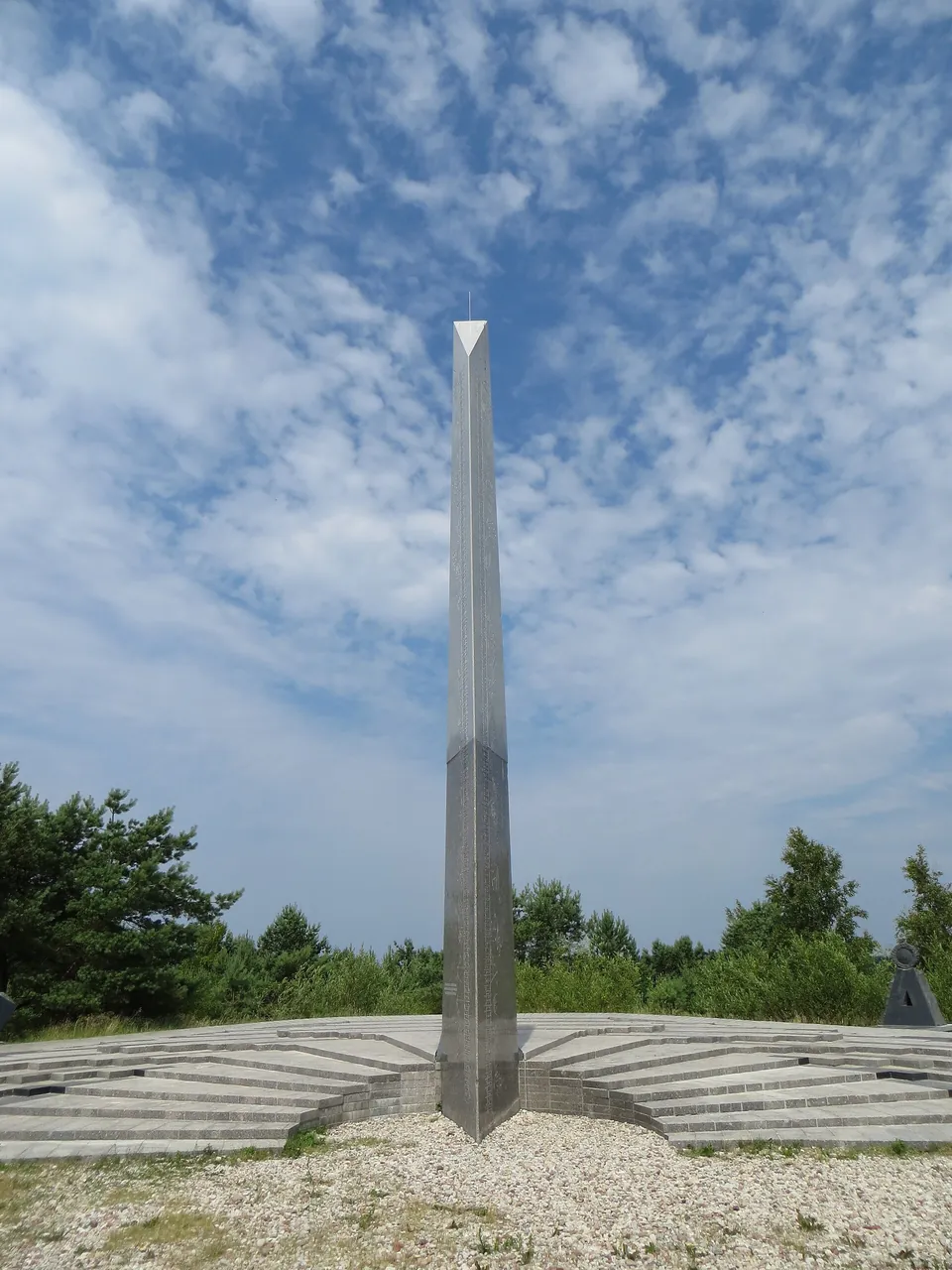
Parnidis sundial
A large sundial stands on the Parnidis Dune and is one of Nida’s best-known landmarks. The view around takes in dunes and lagoon. Walking off the paths on the dunes is prohibited, so stay on the trails.
Parnidžio kopa, Nida
Photo: Bernt Rostad from Oslo, Norway · CC BY 2.0
Open in Google Maps, Parnidis sundial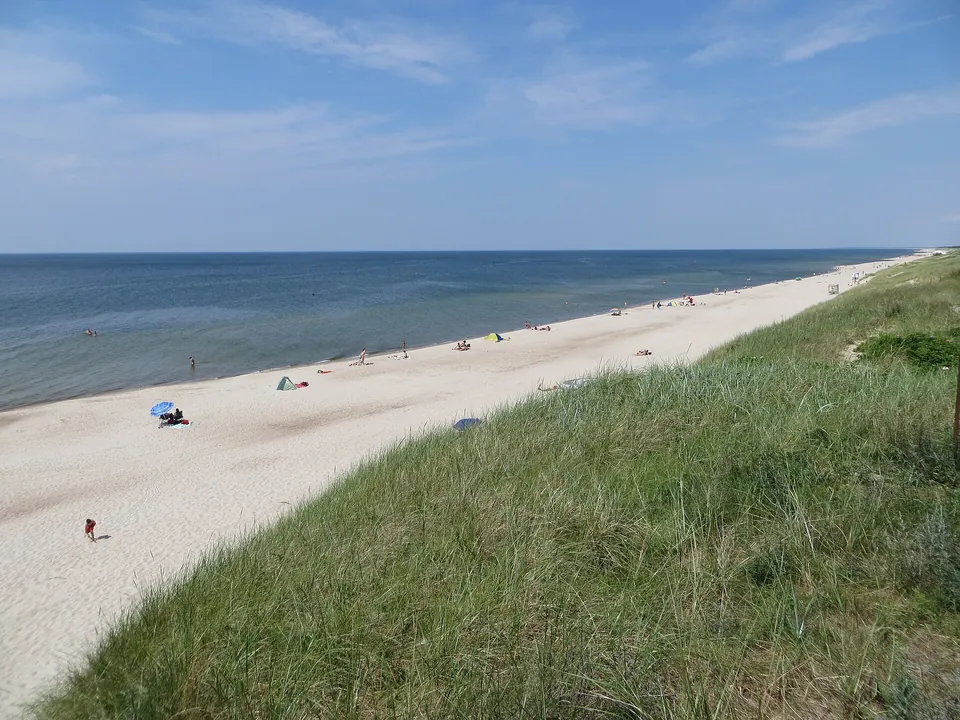
Baltic Sea beach
The spit’s sea coast is a long, wide strip of sand separated from the dunes by vegetation. It is calm even in summer, since there are fewer visitors than at Palanga. Swim only where lifeguards are on duty.
Baltijos jūros pakrantė, Neringa
Photo: Bernt Rostad · CC BY 2.0
Open in Google Maps, Baltic Sea beach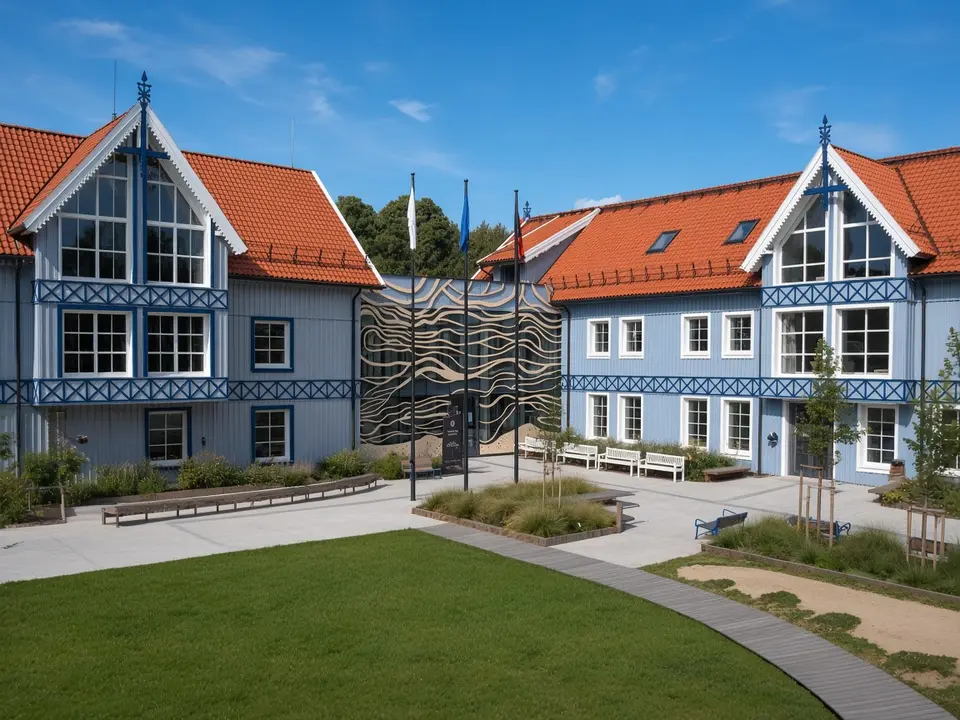
Visitor centre in Juodkrantė
Here you can get maps and information about trails, events and park rules. Before planning a hike or a drive, check current rules and opening hours on the park’s website, nerija.lrv.lt.
L. Rėzos g. 8, Juodkrantė
Illustration (AI-generated): Pasaulis (AI illustration) · Own work
Official website Open in Google Maps, Visitor centre in JuodkrantėA travel company can place a labeled partner route here. Advertise with us
Plan your visit
How much time to plan
The national park covers the whole Lithuanian part of the spit, so give it at least two days: one for the southern part with Nida and Parnidis, another for the north with Juodkrantė and the bird colony.
Getting there
You reach the national park by ferry from Klaipėda to Smiltynė. Klaipėda–Nida is about 50 km, Kaunas–Nida about 261 km and Vilnius–Nida about 355 km (OSRM, checked 28 November 2026). A vehicle entry fee may apply inside the park; rules and rates are published at nerija.lrv.lt.
When to go
The best period is May to September, though autumn is especially calm. In winter the spit is empty and windy, and some trails can be hard to walk.
Protecting the landscape
The Curonian Spit is on the UNESCO World Heritage List as a cultural landscape shaped by people and nature. Stay on marked paths, do not litter and do not take sand or plants: the dunes are very fragile.
Day trips
From Nida you can take a short walk to the Parnidis Dune, and from Juodkrantė to Witches Hill. To the north lies Smiltynė with the Maritime Museum, and across the lagoon is Klaipėda.
Map
The map loads from OpenStreetMap only after you click. © OpenStreetMap