Palanga
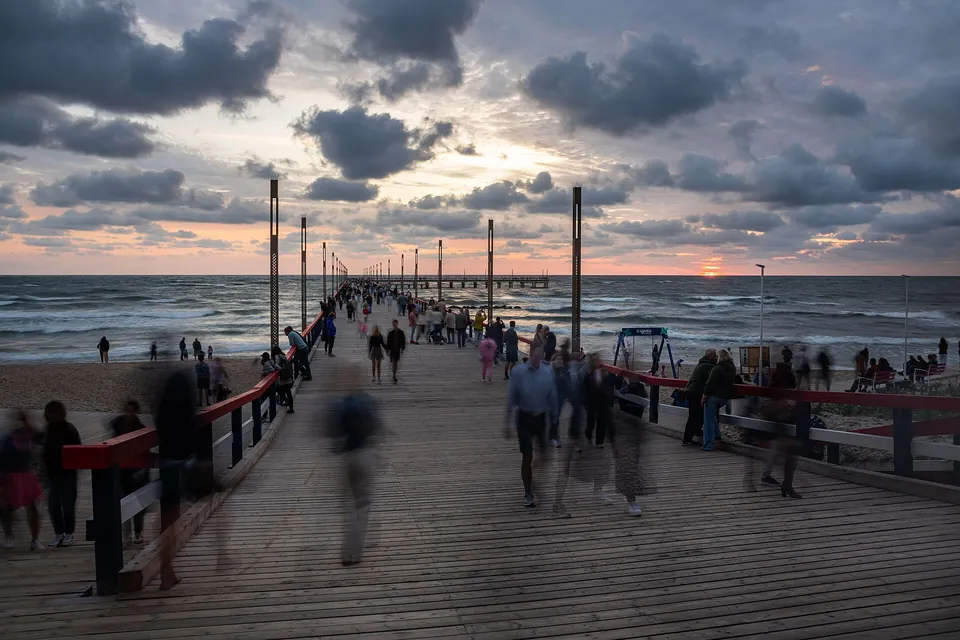
Palanga is Lithuania’s biggest summer resort: some eighteen kilometres of sandy beach, dunes, a long pier reaching into the sea and a park with an amber museum. In July it is lively with holidaymakers, while in autumn or winter you can walk an almost empty shore.
Updated
Photo: Michael Kuhn · CC BY 4.0
What to see
Palanga Botanical Park
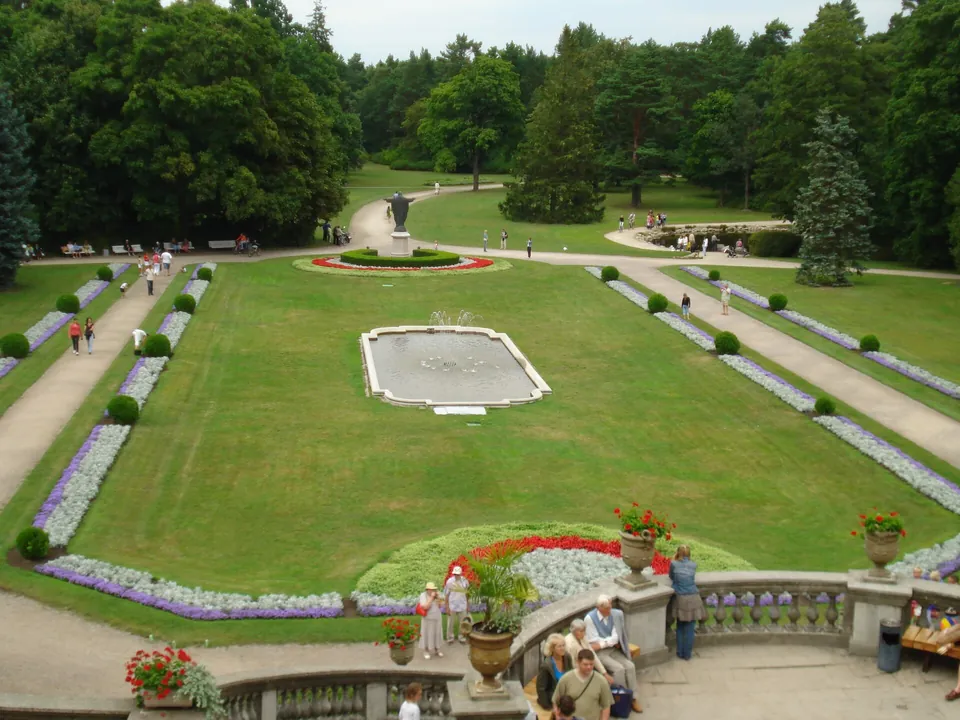
The park around the Tyszkiewicz Palace was laid out in the late 19th century by the French landscape architect Édouard André and became a botanical garden in 1960. It is calm even on the hottest summer day, with ponds, avenues and flower beds. Summer concerts are also held here.
Vytauto g. 17, Palanga
Photo: Alma Pater · CC BY-SA 3.0
Open in Google Maps, Palanga Botanical Park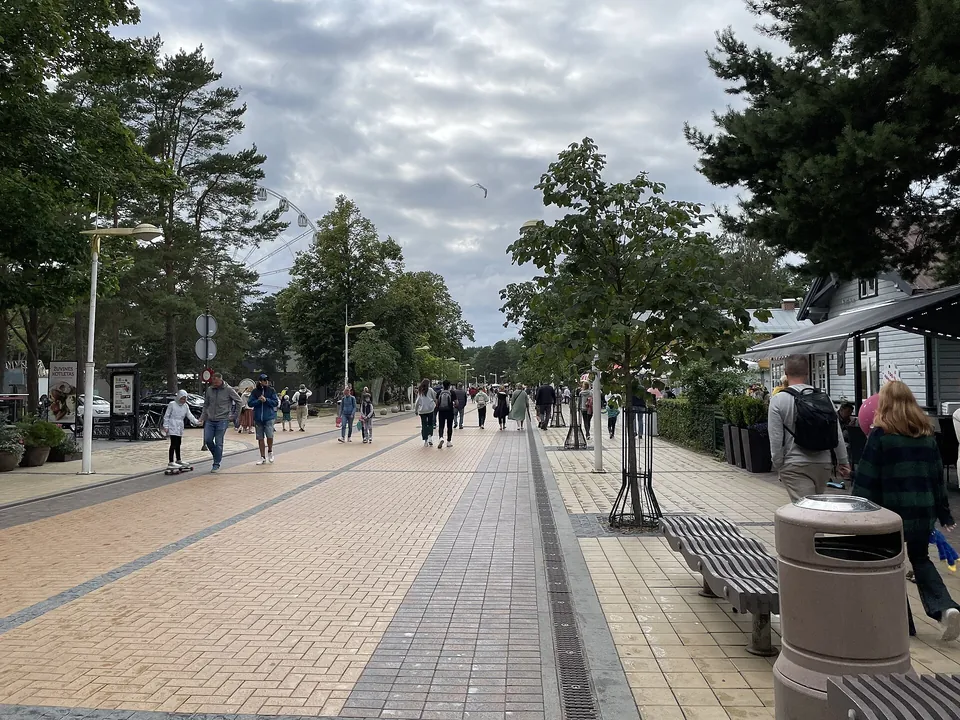
J. Basanavičiaus Street
The main pedestrian street leads towards the sea and the pier. It is lined with cafés, souvenirs, amber jewellery and the buzz of summer evenings. If you want peace, come in the morning or out of season.
J. Basanavičiaus g., Palanga
Photo: Terminator216 · CC BY-SA 4.0
Open in Google Maps, J. Basanavičiaus Street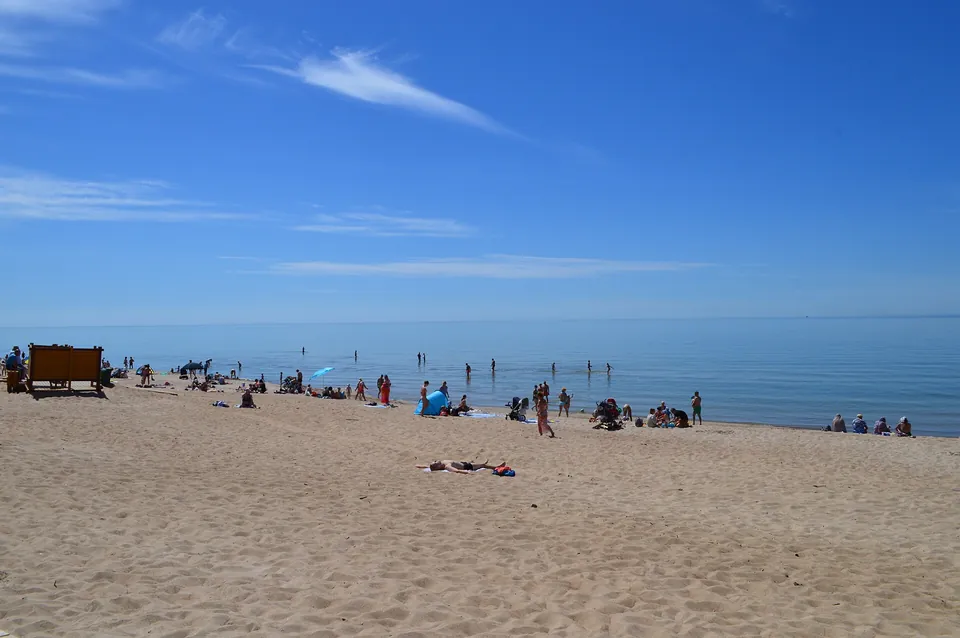
Palanga beach and pier
The wide strip of sand stretches for about 18 km, and the pier is the favourite place for a stroll, especially at sunset. Check current beach-safety and water-quality information before swimming, particularly after storms.
Jūratės g. ir Palangos tilto sritis, Palanga
Photo: Scotch Mist · CC BY-SA 4.0
Open in Google Maps, Palanga beach and pier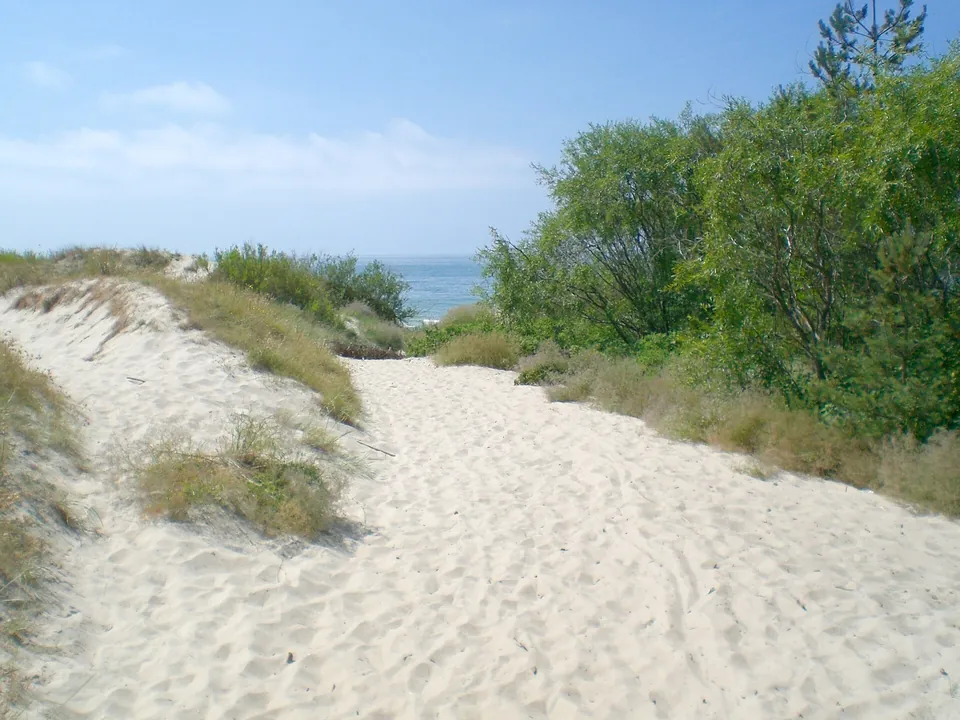
Dunes and coastal paths
Wooden boardwalks link the dunes behind the beach and keep walkers off the sand. Stay on the marked paths, as dune vegetation is fragile. It is also a good place to watch the Baltic coast go dark.
Pajūrio takai, Palanga
Photo: Thomas Pusch · CC BY-SA 3.0
Open in Google Maps, Dunes and coastal paths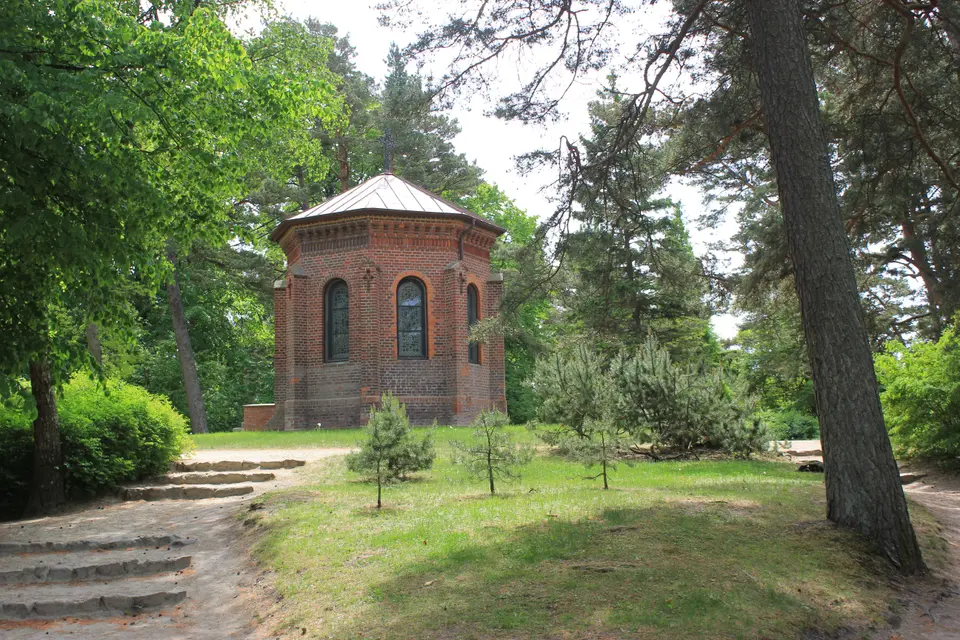
Birutė Hill
According to legend, the priestess Birutė tended a sacred fire here before becoming the wife of Grand Duke Kęstutis. The hill rises in a wooded part of the park and has a small chapel on top. A walk here pairs nicely with a visit to the Botanical Park.
Birutės kalnas, Palanga
Photo: Andrzej Otrębski · CC BY-SA 4.0
Open in Google Maps, Birutė HillPlan your visit
How much time to plan
Two days are enough for a weekend: one for the beach and the pier, one for the botanical park and the museum. If you only have a day, start with the park and the amber museum and finish with sunset on the pier.
Getting there
Palanga is about 30 km from Klaipėda, about 237 km from Kaunas and about 331 km from Vilnius by car (OSRM, checked 28 November 2026). There is no railway in Palanga; the nearest station is in Kretinga, so people come by bus or car. Palanga Airport has scheduled flights; check the airport website for the current list.
When to go
The main season runs June to August, when prices are highest and the beaches are full. May and September are calmer and sometimes still warm enough. In winter the resort is quiet, and long walks by the sea on a windy day have their own appeal.
Practical tips
Book accommodation early in summer. Swim only in safe, marked areas, and check the flags and water-quality notices before going in. Confirm the Amber Museum’s hours and tickets on its official page.
Day trips
South of Palanga stretches the Curonian Spit with Nida and Juodkrantė, and to the east lies Žemaitija National Park. Klaipėda is about thirty kilometres away, and from there a ferry reaches Smiltynė and Neringa.
Museums
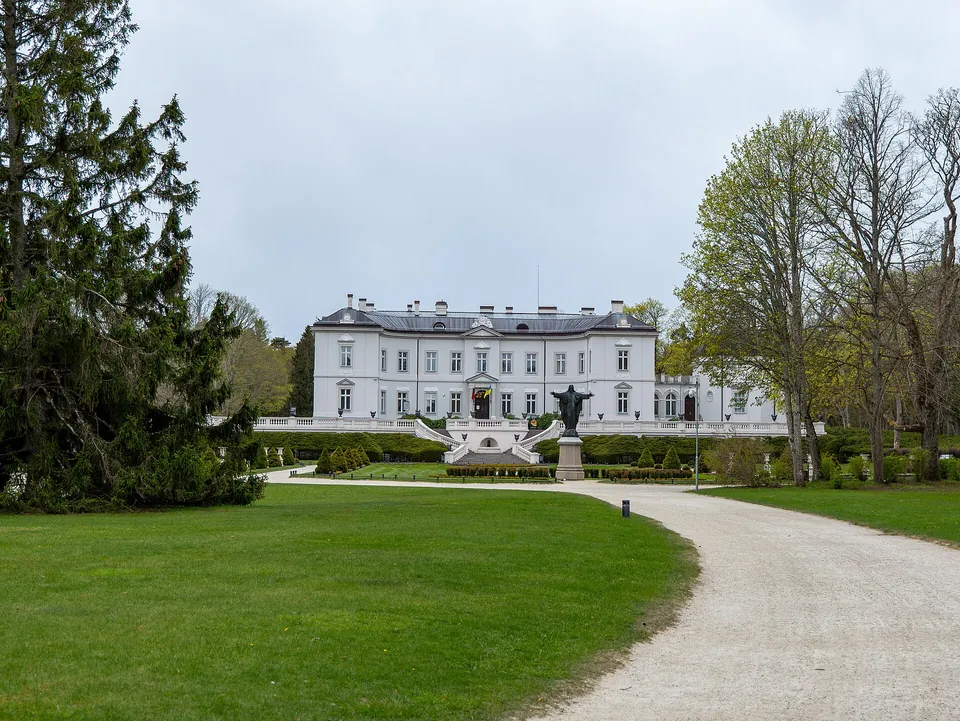
Palanga Amber Museum
The museum occupies the Tyszkiewicz Palace, built in 1897, and became a museum in 1963. The collection holds about 28,000 pieces of amber, including some with trapped insects. Check opening hours and ticket prices on the official website.
Vytauto g. 17, Palanga
Photo: Topperis · CC BY-SA 4.0
Official website Open in Google Maps, Palanga Amber MuseumA travel company can place a labeled partner route here. Advertise with us
Map
The map loads from OpenStreetMap only after you click. © OpenStreetMap